

Essential Loose-Leaf Tea Brewing Tools
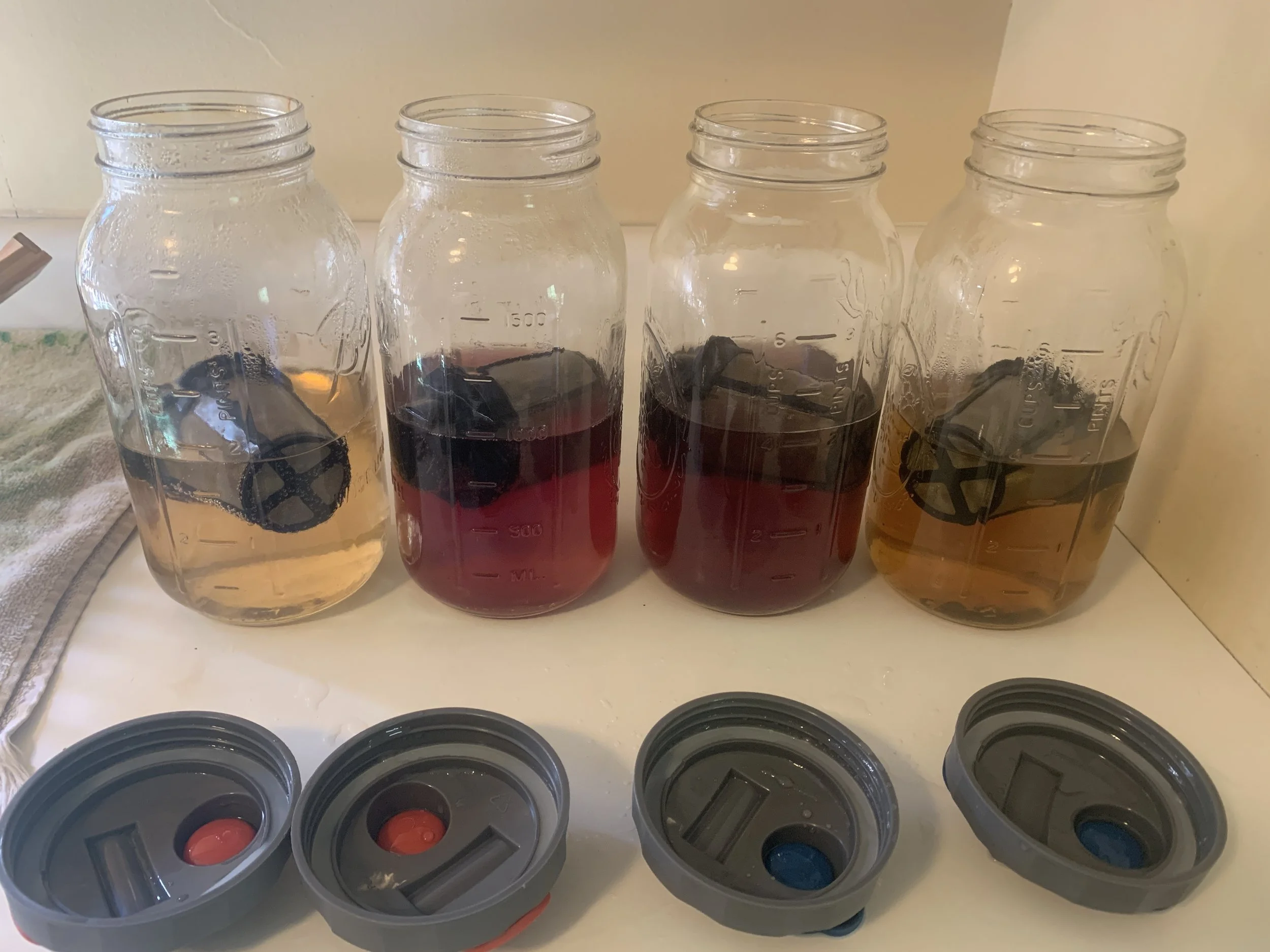
Loose-leaf tea can seem intimidating when you're first getting started. Unlike a tea bag, there isn't always an obvious answer to the question: What exactly do I need to brew this?
Tea bags are convenient for a reason. The tea is already contained, portioned, and ready to steep. With loose-leaf tea, you have to figure out the tea-to-water ratio, brewing vessel, strainer, temperature, and steeping time.
But you don't need a cabinet full of specialty teaware to make a good cup.
In fact, a basic loose-leaf setup can be surprisingly simple. Here's a breakdown of the tools that are actually useful, along with a few that are simply nice to have.
The Basic Setup
At minimum, you'll need:
Tea
Water
A kettle or other way to heat water
A brewing vessel
An infuser or strainer
A cup
A timer or clock
That's really it.
Everything else falls somewhere between helpful, specialized, and purely enjoyable.
And for me, that's part of the appeal. Brewing tea can be a small opportunity to slow down rather than another routine to optimize. The recent idea of "slowmaxxing"—intentionally slowing everyday activities instead of constantly trying to make them faster or more efficient—captures some of what I enjoy about making tea.
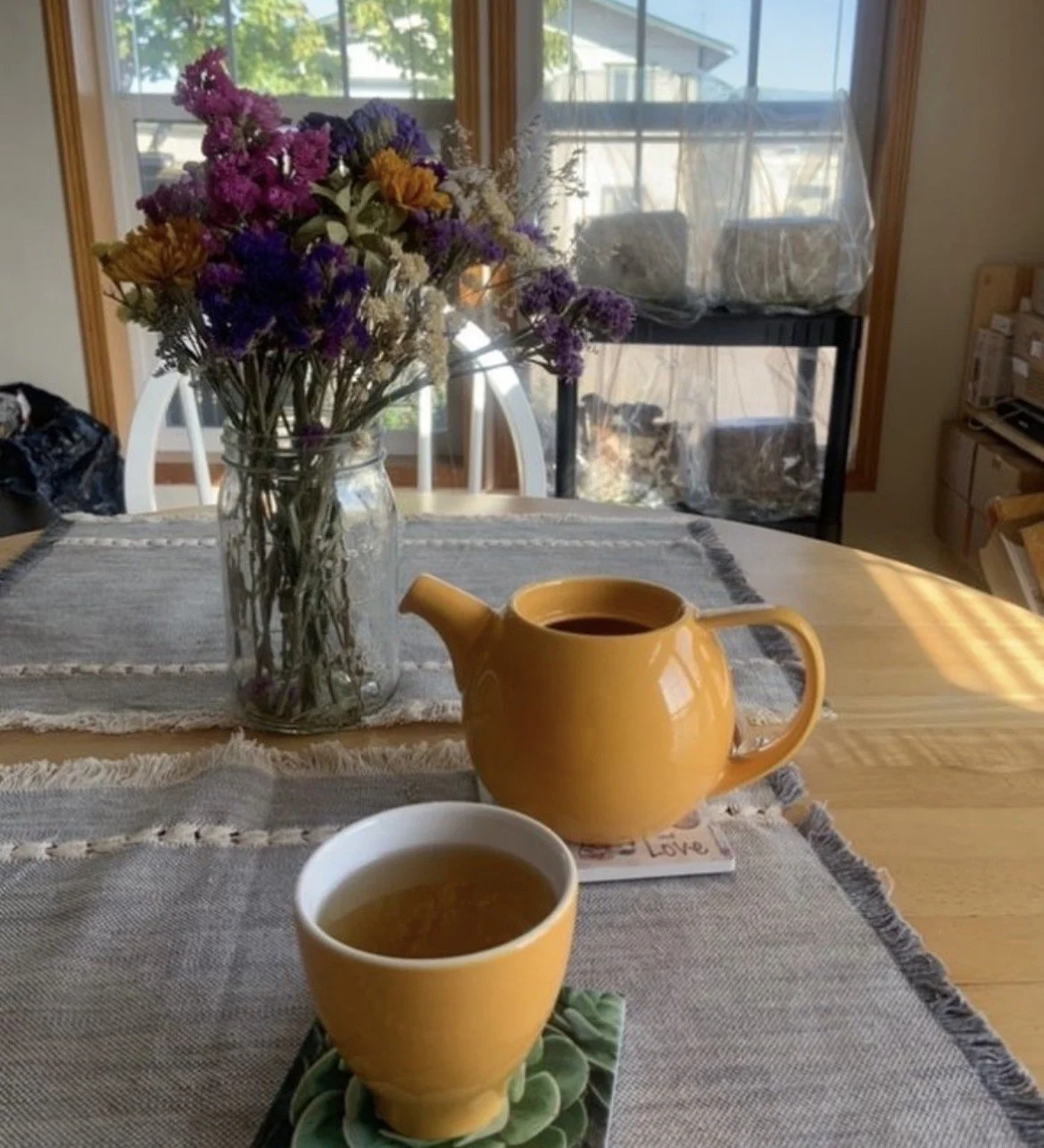
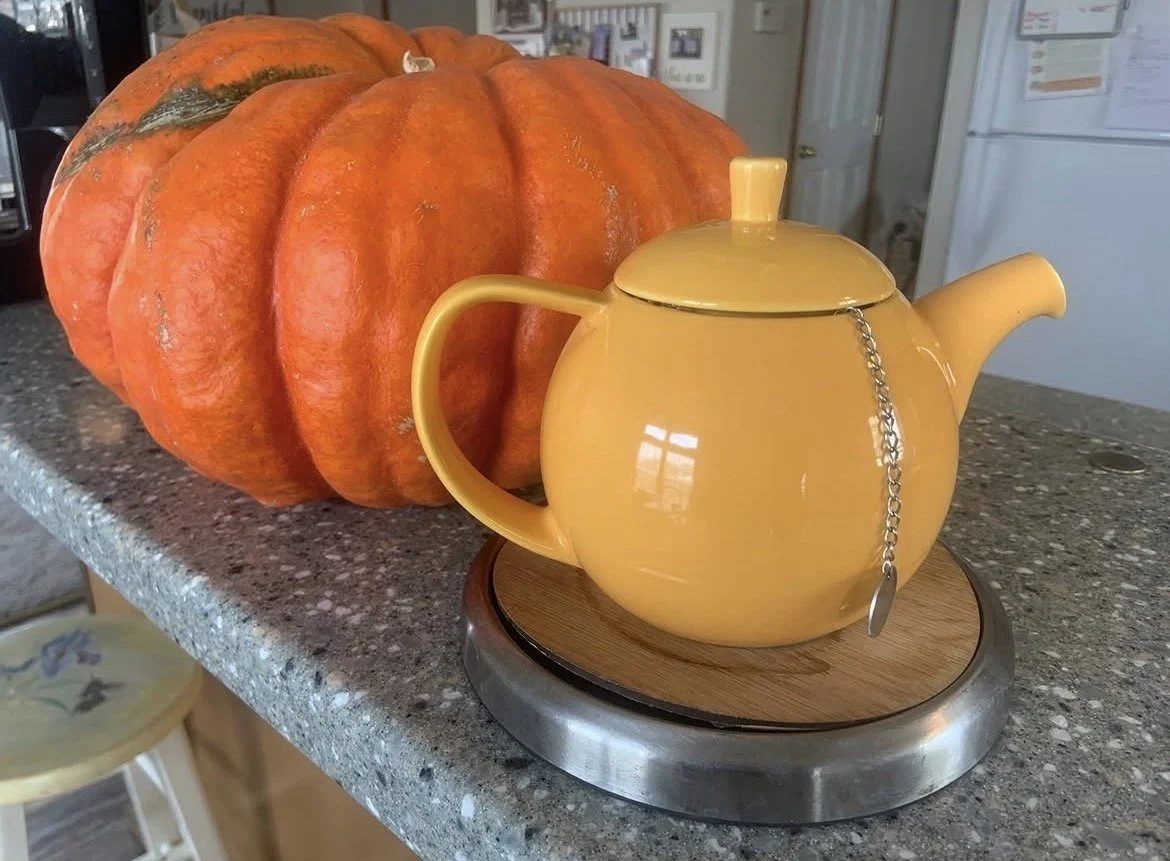
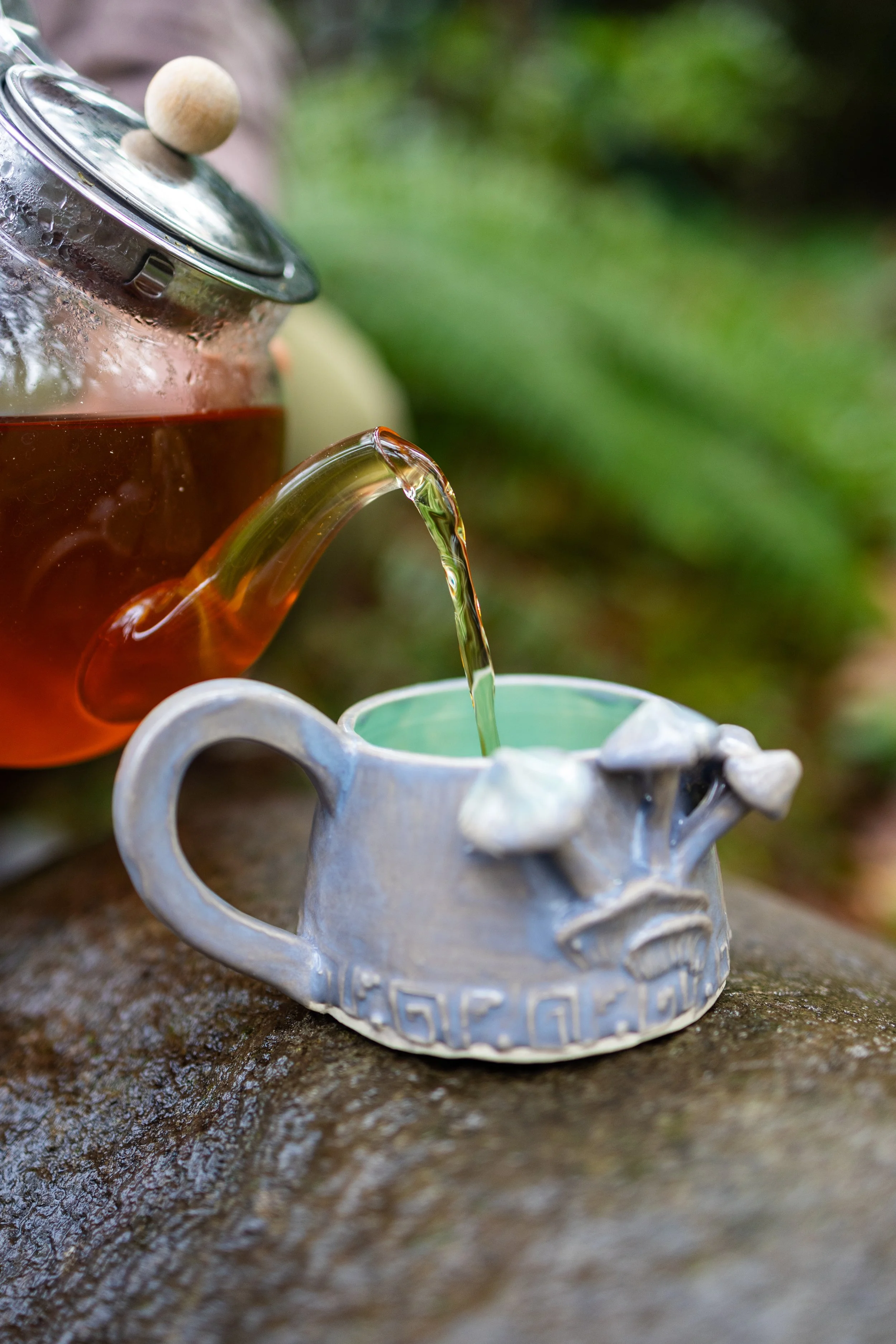
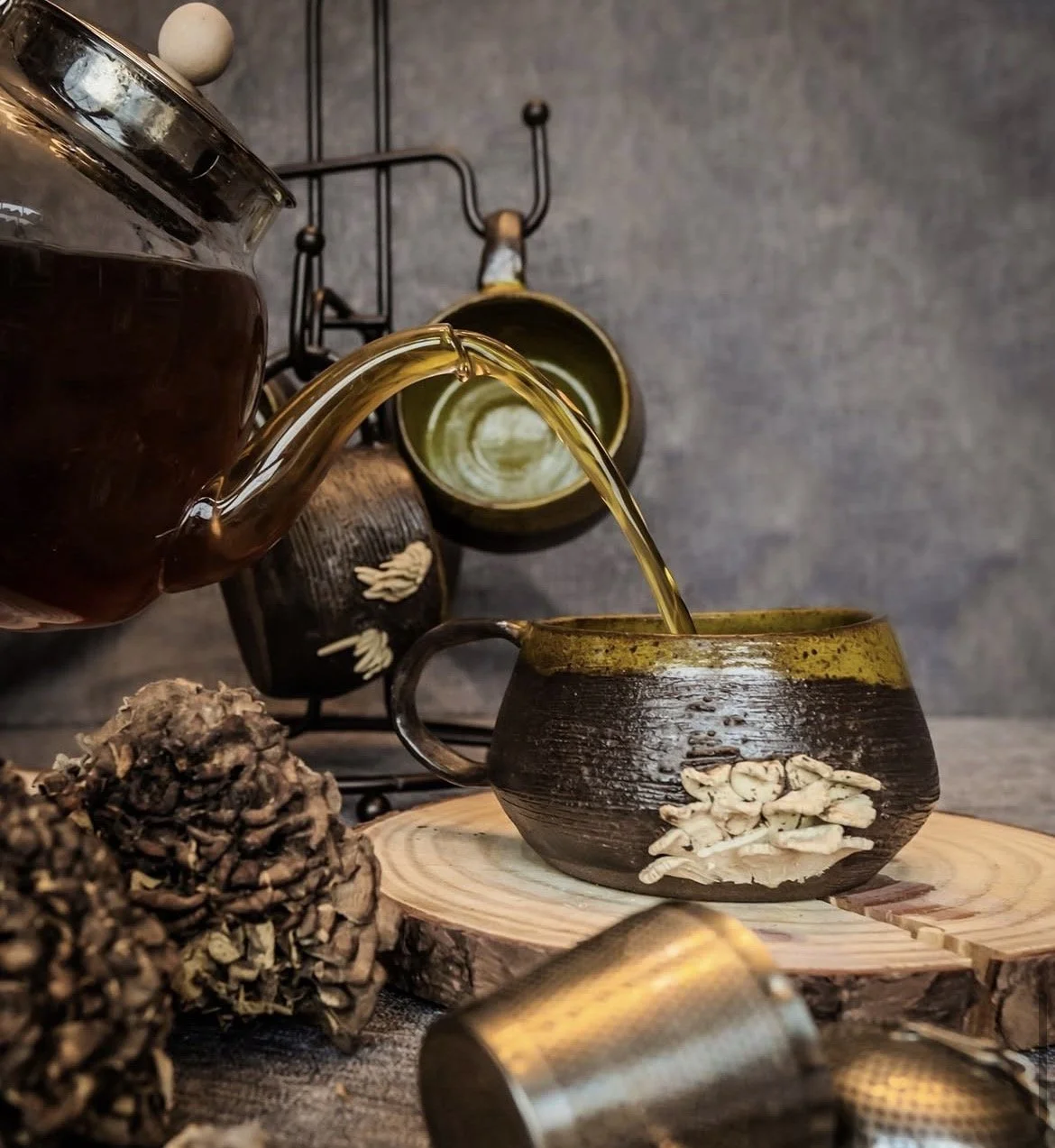
My favorite setup is still the simplest: a teapot and a teacup.
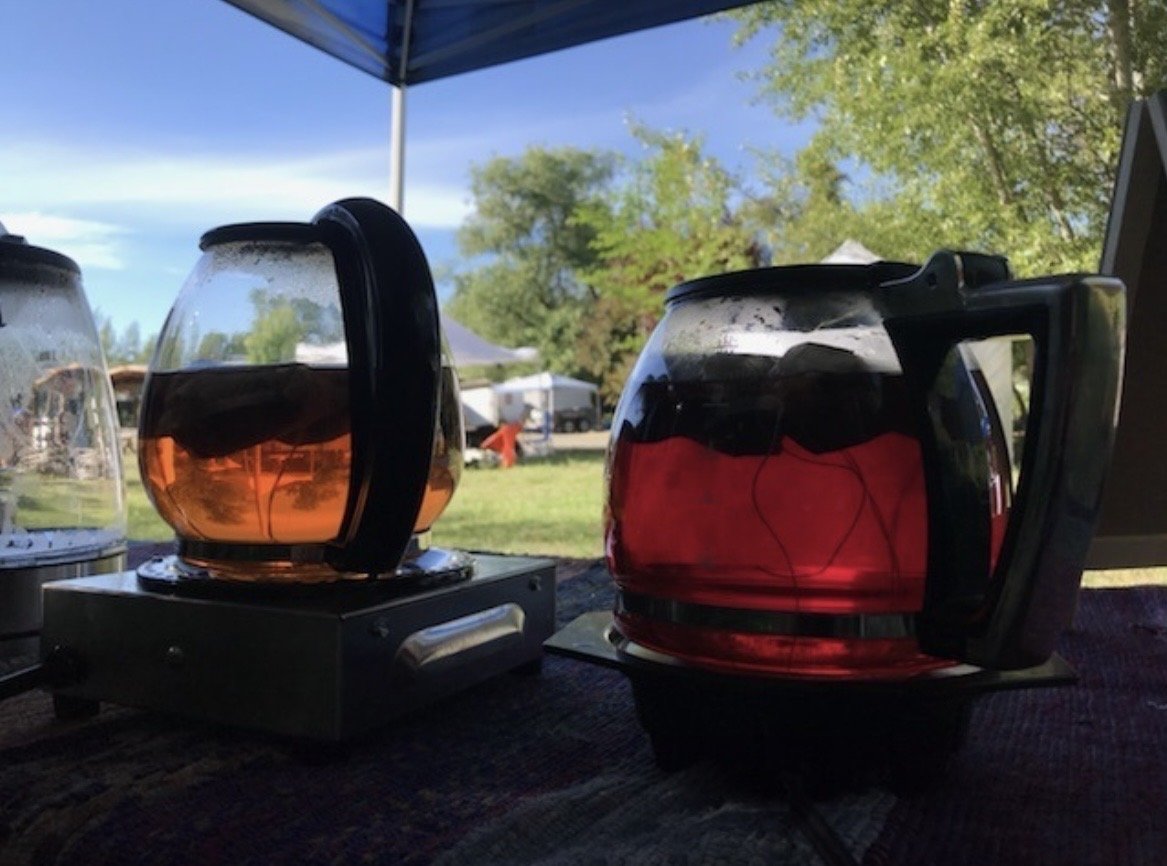
The Kettle: Heating Your Water
The kettle's job is simple: heat your water.
Water boils at 212°F at sea level, but boiling isn't necessarily the ideal brewing temperature for every type of tea. If you're drinking a variety of Camellia sinensis teas—green, white, oolong, or black—it's worth learning the recommendations for the specific tea you're brewing.
For mushroom teas and many herbal preparations, however, bringing your water to a boil can be useful depending on the preparation method.
Do You Need a Fancy Kettle?
Not really.
A basic electric kettle or stovetop kettle can get the job done. A temperature-controlled kettle becomes useful if you regularly drink different types of tea and want more precision.
I personally like temperature control because I drink all sorts of tea, not just mushroom tea. I don't currently have a temperature-controlled kettle, though, so I've been using a gooseneck kettle and getting along just fine.
My recommendation: If you're primarily making mushroom tea, start with whatever kettle you already have. If you're exploring many different types of tea, temperature control is a worthwhile upgrade.
The Brewing Vessel: Where the Tea Steeps
Your brewing vessel is simply where the tea and water meet.
You could use:
A mug
A teapot
A glass teapot
A gaiwan
A kyusu
Another heat-safe brewing vessel
The "right" vessel depends on how you like to drink tea.
A larger teapot works well when you're making several cups. A mug with an infuser is convenient for one person. Specialized vessels such as gaiwans and kyusu are associated with particular brewing traditions and can give you more control over the brewing process.
For mushroom tea and other herbal preparations, you generally don't need anything complicated.
What Makes a Good Brewing Vessel?
Look for something that is:
Easy to clean
Comfortable to pour
Appropriate for the amount you're brewing
Large enough for your ingredients to move around
That last point matters with loose ingredients. Tea leaves need room to expand and interact with the water.
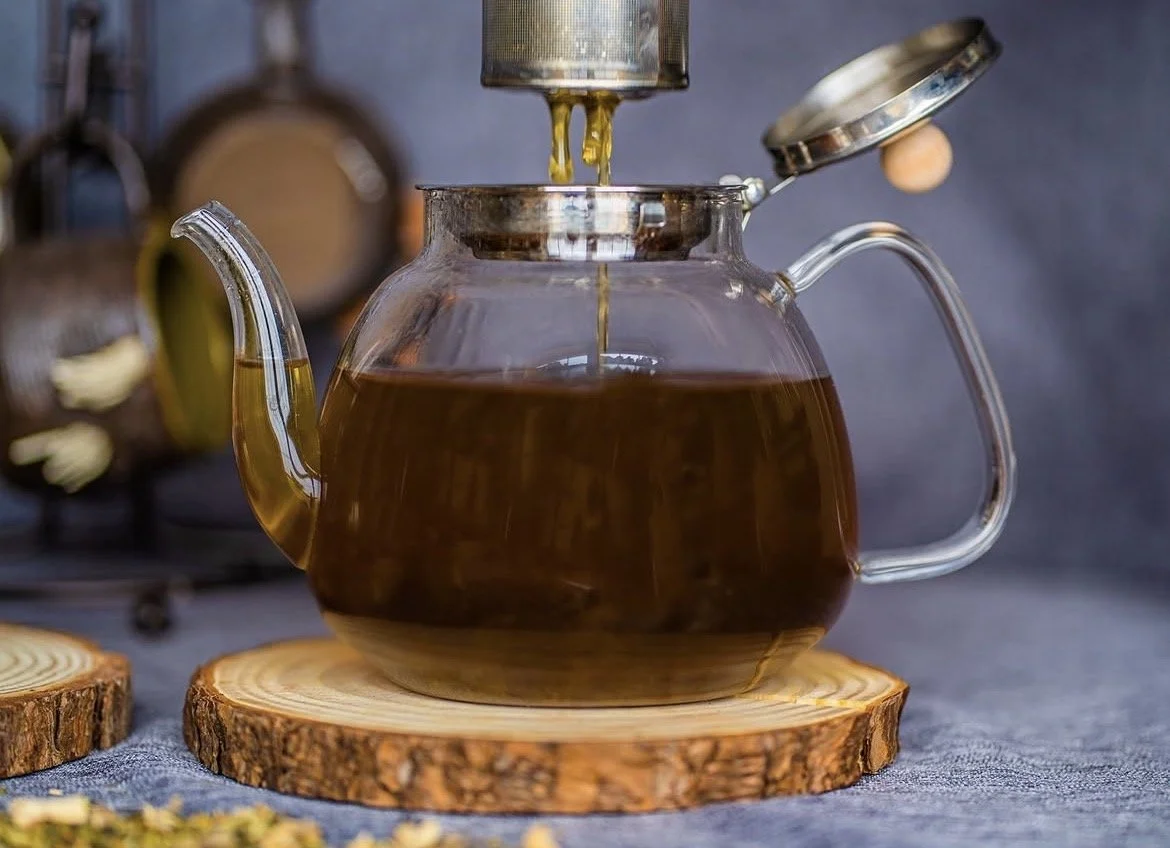
The Infuser: Giving Your Tea Room to Expand
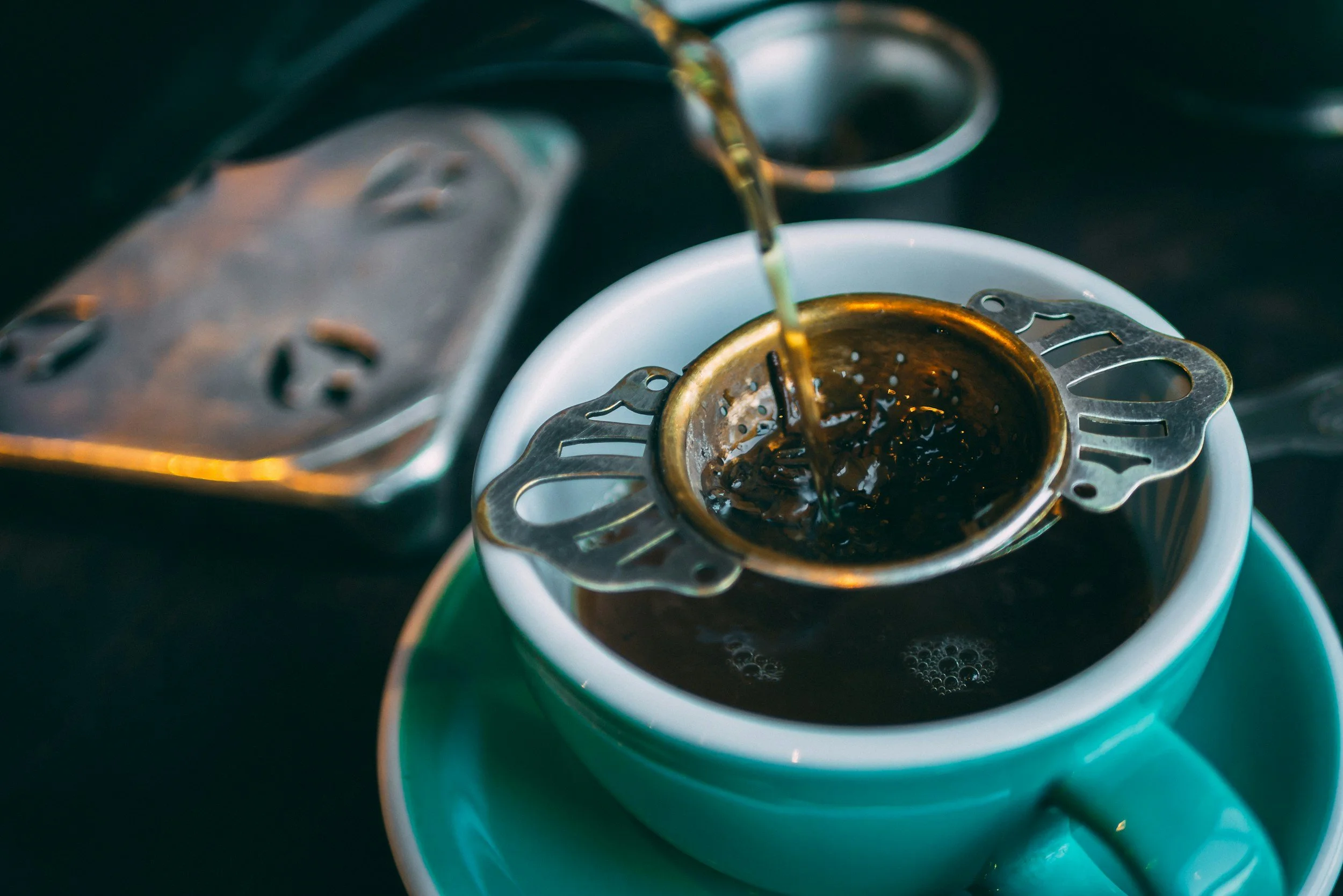
An infuser keeps your tea contained while allowing water to circulate around it.
There are plenty of options: basket infusers, tea balls, mesh strainers, disposable filters, and brewing vessels with built-in strainers.
My favorite is a built-in strainer. They're convenient, easy to use, and make cleanup much simpler.
I'm less enthusiastic about teapot kettles with complicated integrated components. I've found that cleaning and maintaining them can become a hassle, which defeats the purpose of having a convenient brewing tool in the first place.
The Most Important Thing
Whatever infuser you choose, make sure your ingredients have enough room to expand.
A tiny tea ball may look convenient, but it can be restrictive for larger leaves or ingredients. A roomy basket or built-in strainer is often a better everyday option.
The Timer: Don't Overthink It
You don't need a special tea timer.
Your phone, kitchen timer, or watch will work just fine.
Timing helps you develop consistency and figure out what you actually like. If your tea is too weak, you can adjust the amount of tea or steep it longer next time. If it's too strong, do the opposite.
For our loose mushroom teas, about 1 teaspoon per 6–8 ounces of water is a reasonable place to start. From there, adjust according to your taste and the specific ingredients you're using.
Remember that steeping time isn't the only variable. Water temperature, tea-to-water ratio, ingredient size, and water chemistry can all affect the finished cup.
Measuring Your Tea
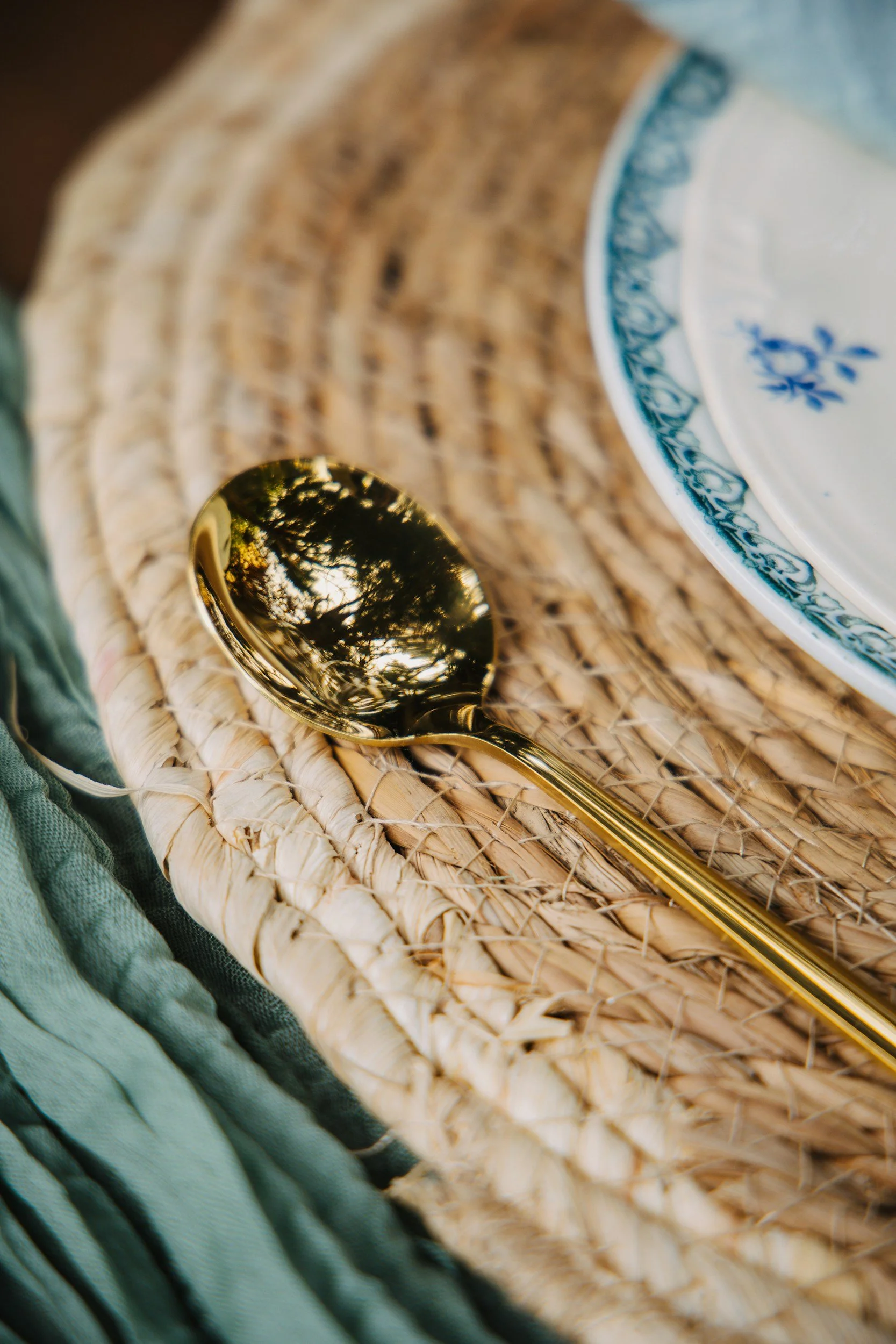
A teaspoon is perfectly adequate for everyday brewing.
If you want greater consistency, a small digital kitchen scale can be useful. Different ingredients have different densities, so a teaspoon of one tea won't necessarily weigh the same as a teaspoon of another.
For most people, though, there's no need to turn tea brewing into a laboratory experiment.
Start with a teaspoon. Pay attention to what you like. Adjust from there.
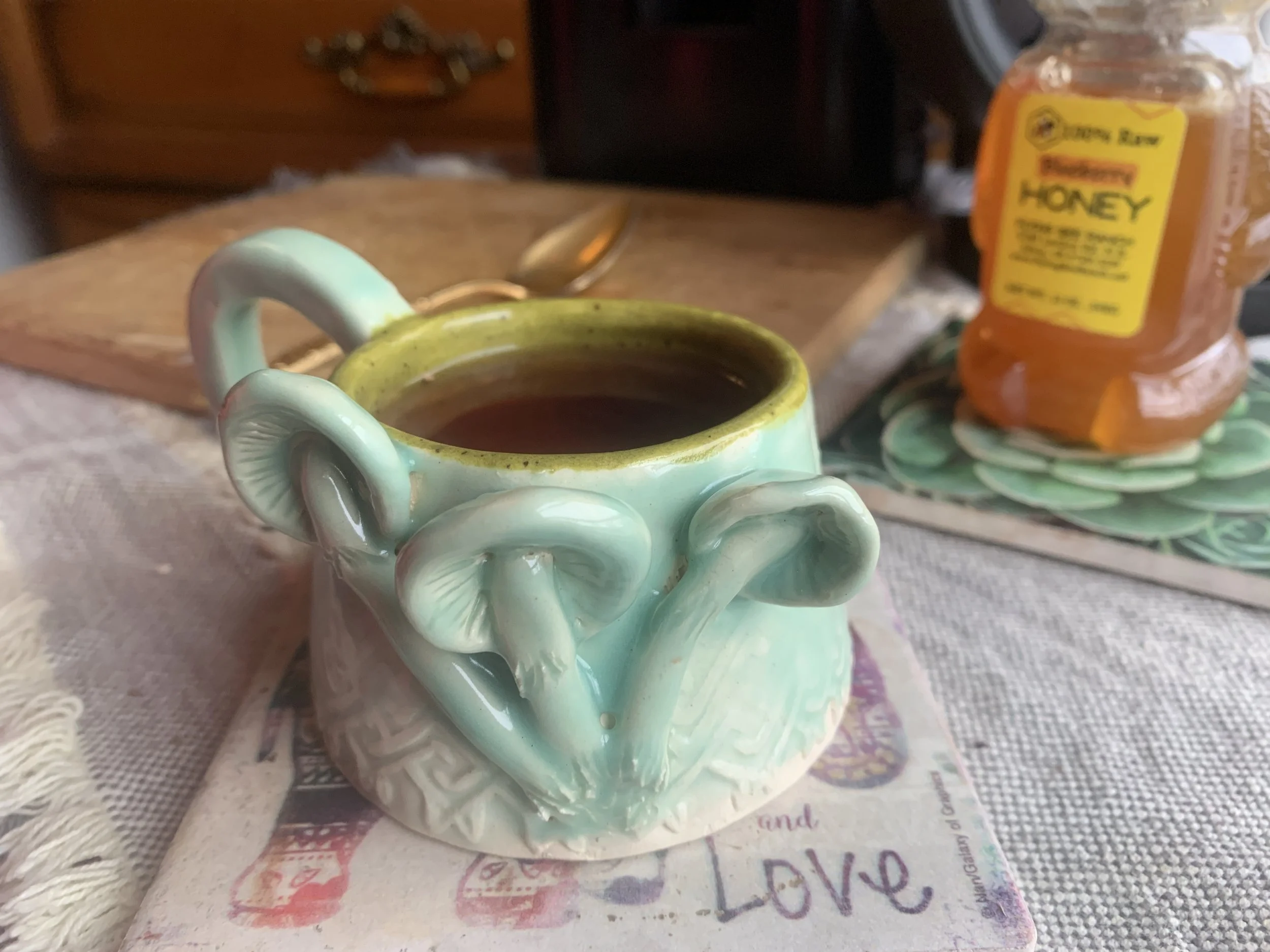
The Cup: The Part You Already Own
Don't underestimate the humble teacup.
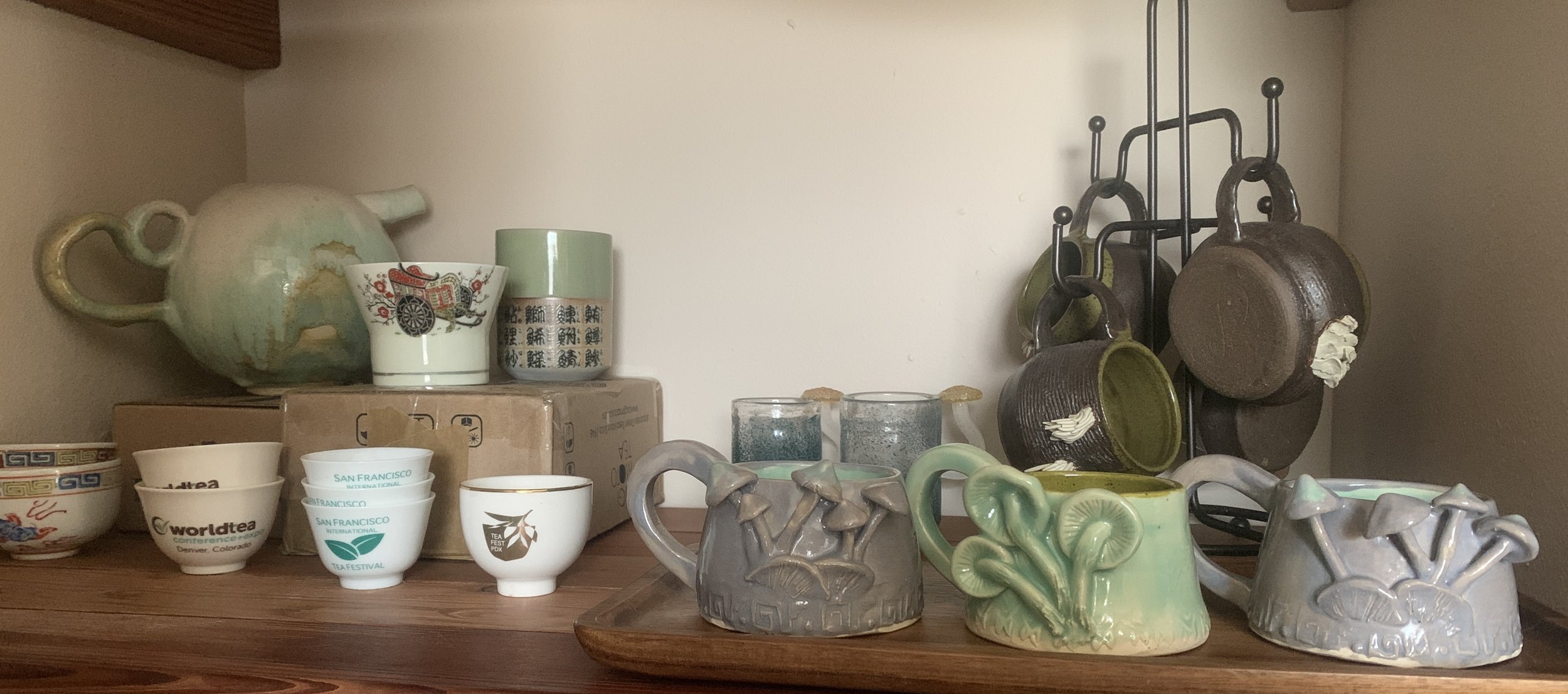
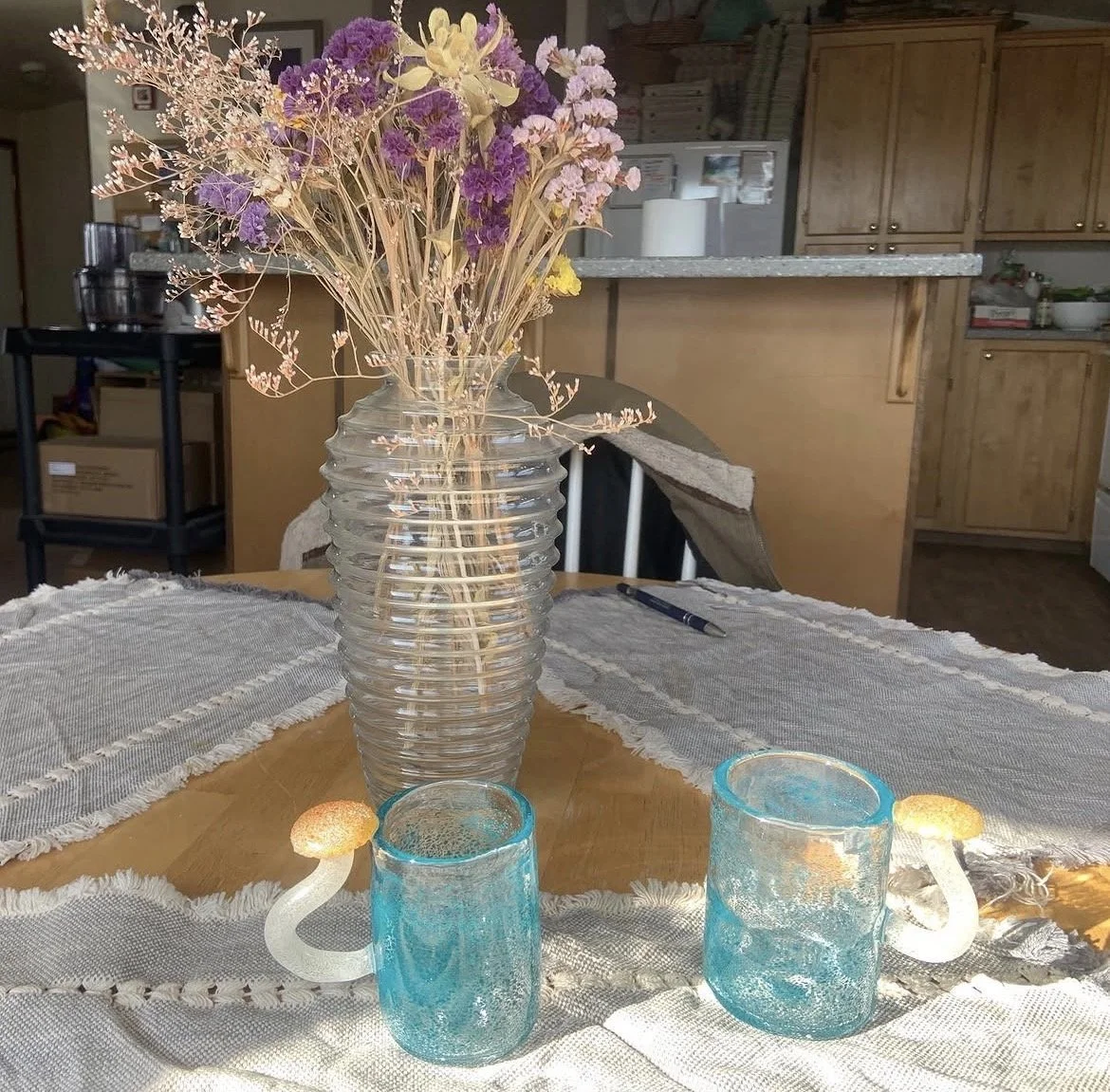
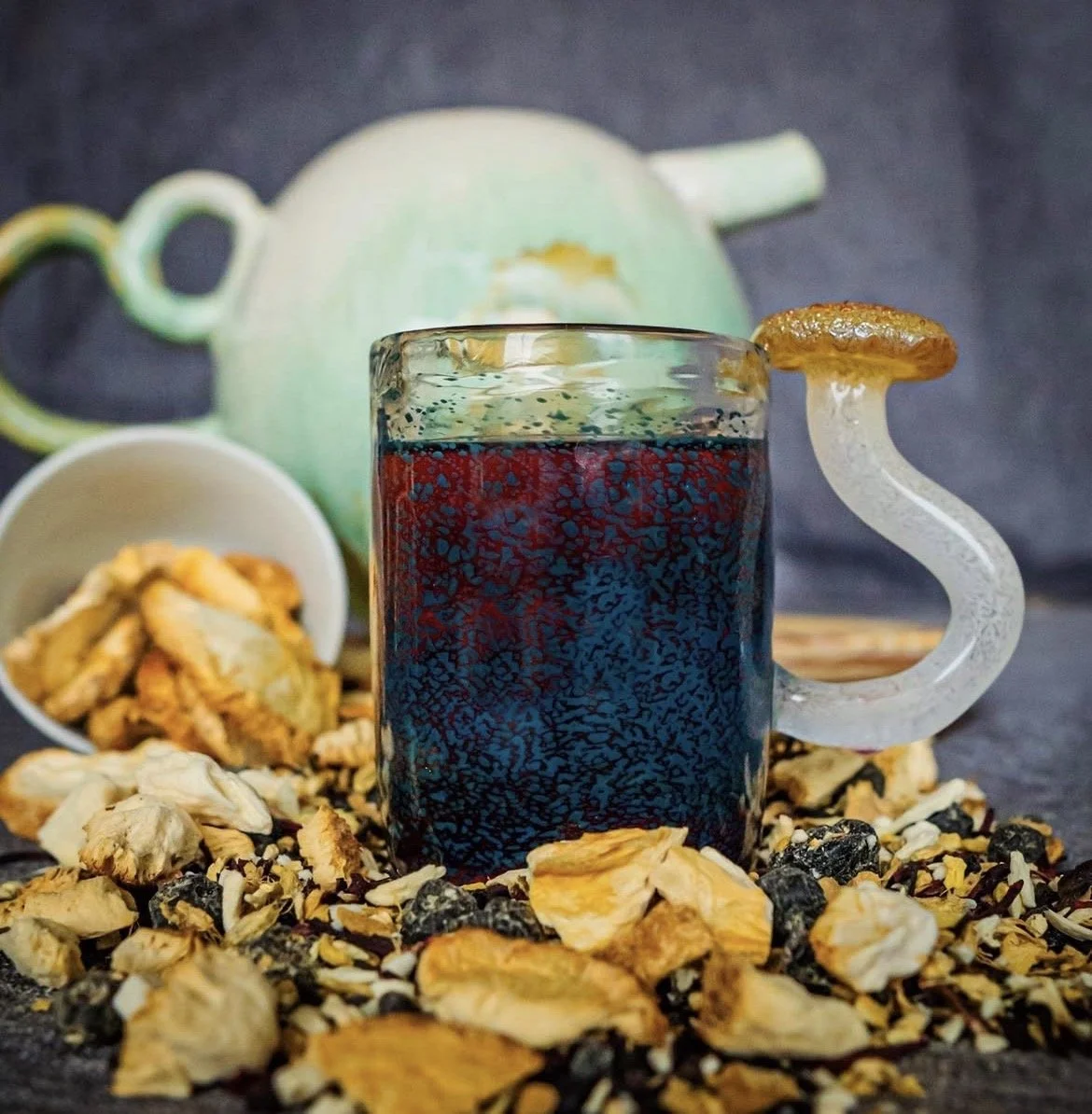
Ceramic mugs, glass cups, porcelain teacups, travel mugs, and traditional tea cups can all work. The material and shape can influence heat retention and aroma, but personal preference matters just as much.
And sometimes the point isn't optimization.
A favorite cup can simply make the experience more enjoyable.
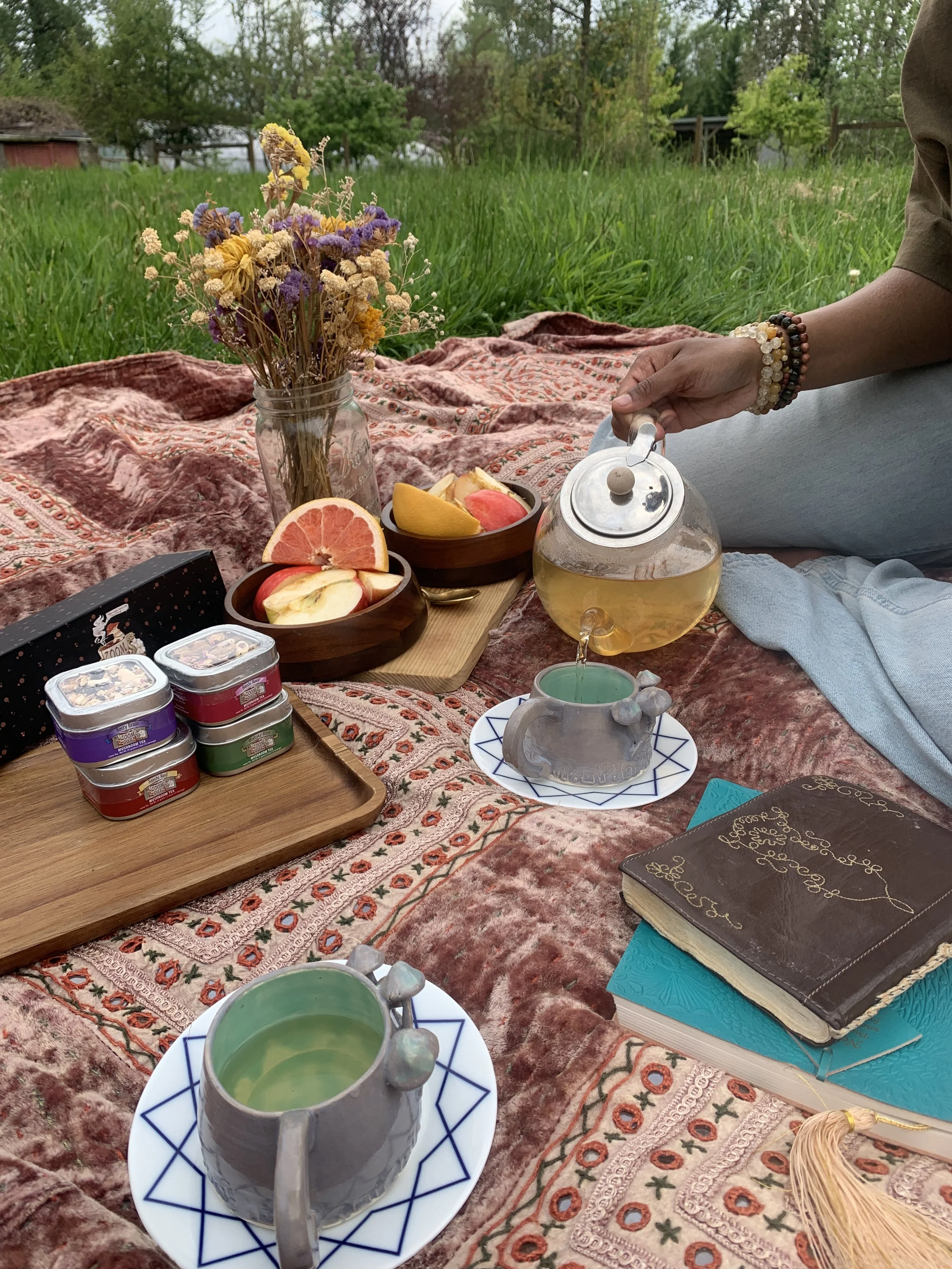
For me, that teapot-and-teacup combination is part of the ritual. Pouring a cup from a pot feels different from grabbing a mug and dropping in a tea bag—and sometimes that's exactly the experience I'm looking for.
Tools You Don't Actually Need
The tea world has no shortage of fun accessories.
You can find:
Tea trays
Tea scoops
Tea tongs
Specialty strainers
Temperature-controlled kettles
Specialized teapots
Electric tea makers
Some are genuinely useful. Others are designed for particular brewing traditions. And some are simply beautiful.
I like to think about tea tools in four categories:
Necessary → Helpful → Specialized → Ritual
Not every tool needs to make your tea objectively "better." Sometimes it just makes you enjoy making tea more.
Building Your First Tea Setup
If you're starting from scratch, keep it simple.
The Minimal Setup
Kettle + cup/mug + roomy infuser
That's enough to get started.
The Everyday Setup
Temperature-controlled kettle + teapot or infuser + cup/mug + timer
This gives you more control without making brewing complicated.
The Enthusiast Setup
Specialized teaware + temperature control + tea accessories
This is where you can start exploring different brewing traditions and developing a more personalized tea ritual.
There's nothing wrong with having beautiful teawares. Just remember that you don't need it to make good tea.
Match Your Tools to Your Tea
Your brewing setup can change depending on what you're drinking.
Green tea: Temperature control can be helpful because many green teas are brewed below boiling.
Black tea: Generally more forgiving of hotter water and works well in a standard teapot or basket infuser.
Oolong: Often lends itself to multiple infusions, making a smaller teapot or gaiwan useful.
White tea: Can benefit from more attention to temperature and steeping time.
Herbal teas and mushroom preparations: Brewing requirements vary considerably depending on the quantity being brewed and preparation method.
If you're brewing Camellia sinensis, do a little research on the specific tea you're using. Don't assume that every tea should be treated the same way.
Don't Forget the Water
Water isn't technically a brewing tool, but it may be one of the most important ingredients in your cup.
Tap, filtered, and bottled water can have different mineral compositions. Hard and soft water can also affect how an infusion tastes.
You don't need to become a water expert to make tea. Start with water that tastes good to you. I like natural spring water and I use advanced water filtration at home.
If you ever brew the same tea somewhere else and notice that it tastes surprisingly different, the water may be part of the reason.
Start Simple
The world of tea can make loose-leaf brewing seem much more complicated than it needs to be.
You don't need expensive teaware, a perfectly calibrated kettle, or an elaborate tea station. Start with a kettle, a brewing vessel, an infuser, and a cup. Learn how your tea behaves. Adjust the amount, temperature, and steeping time as you go.
Then, if you find yourself falling deeper into tea, add the tools that actually make your experience better.
Because ultimately, the tools are there to serve the tea—not the other way around.
